



By 2050, nearly 70% of the world will live in cities.
The first wave of smart cities focused on connecting things, sensors, cameras, and traffic lights. The next wave is about something deeper: using enterprise technology to make cities responsive, predictive, and genuinely liveable.
Here’s what that looks like and how leaders can prepare.
What Makes a City “Smart” in 2026?
For years, smart cities meant isolated pilot projects. There are a few smart streetlights here. Some sensors are there. Real transformation requires integration.
Today’s most advanced cities operate from unified command centres that bring thousands of data points into a single view. Predictive analytics helps operators spot issues before they become problems, whether that’s a heating system about to fail or traffic building toward gridlock.
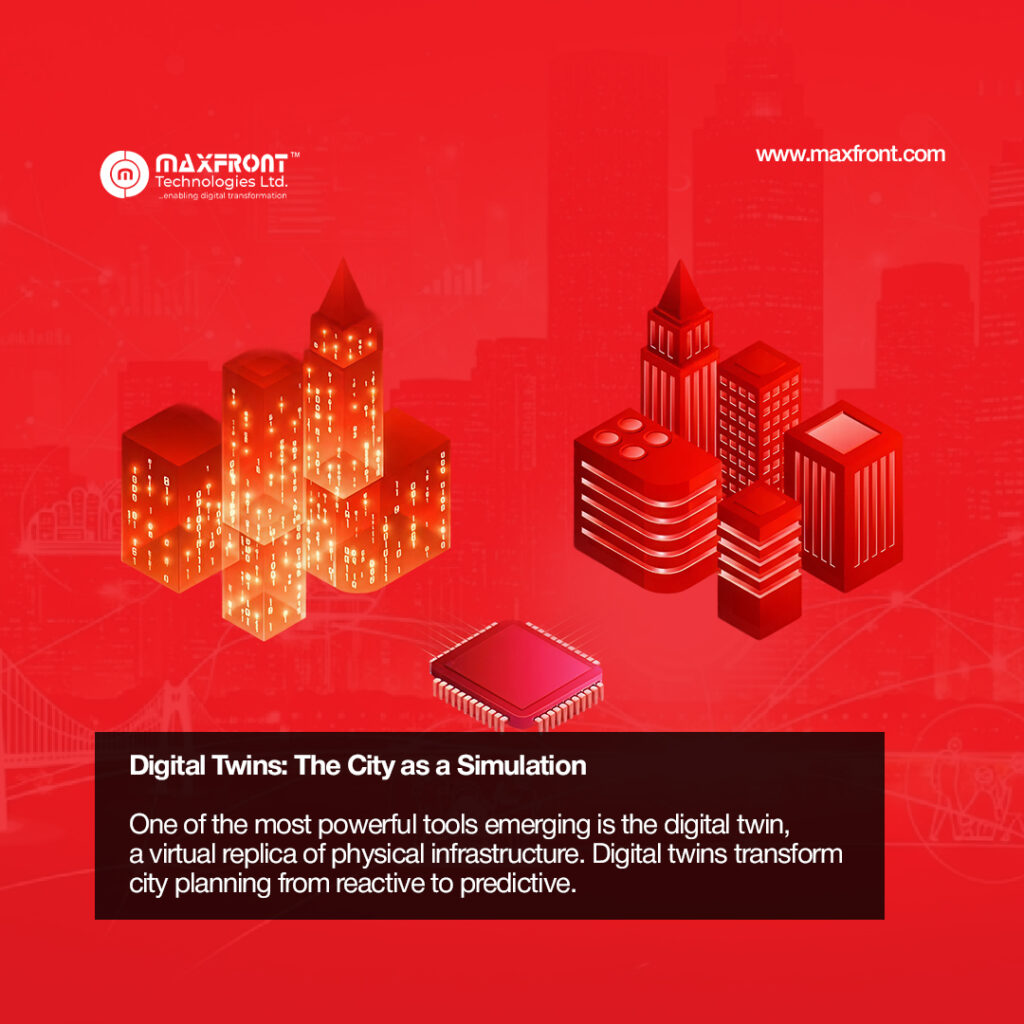
Digital Twins: The City as a Simulation
One of the most powerful tools emerging is the digital twin, a virtual replica of physical infrastructure.
Think of it as a flight simulator for city management. Want to understand how a new building will affect traffic? Simulate it. Are you interested in finding out if altering the timing of traffic lights could potentially lower emissions? Model it first.
Digital twins transform city planning from reactive to predictive.
Physical AI: Computing at the Edge
Traditional smart cities sent data to the cloud for processing. But cities need real-time responses. Waiting for round trips to data centres introduces latency that doesn’t work for traffic management or public safety.
Physical AI computing at the edge, closer to where data is generated, enables faster response times, lower latency, and reduced bandwidth costs.
This allows real-time management of air quality, traffic flow, fire prevention, and weather response, all happening automatically based on local intelligence.
Robotics Enters Daily Urban Life
The robots aren’t coming. They’re already here.
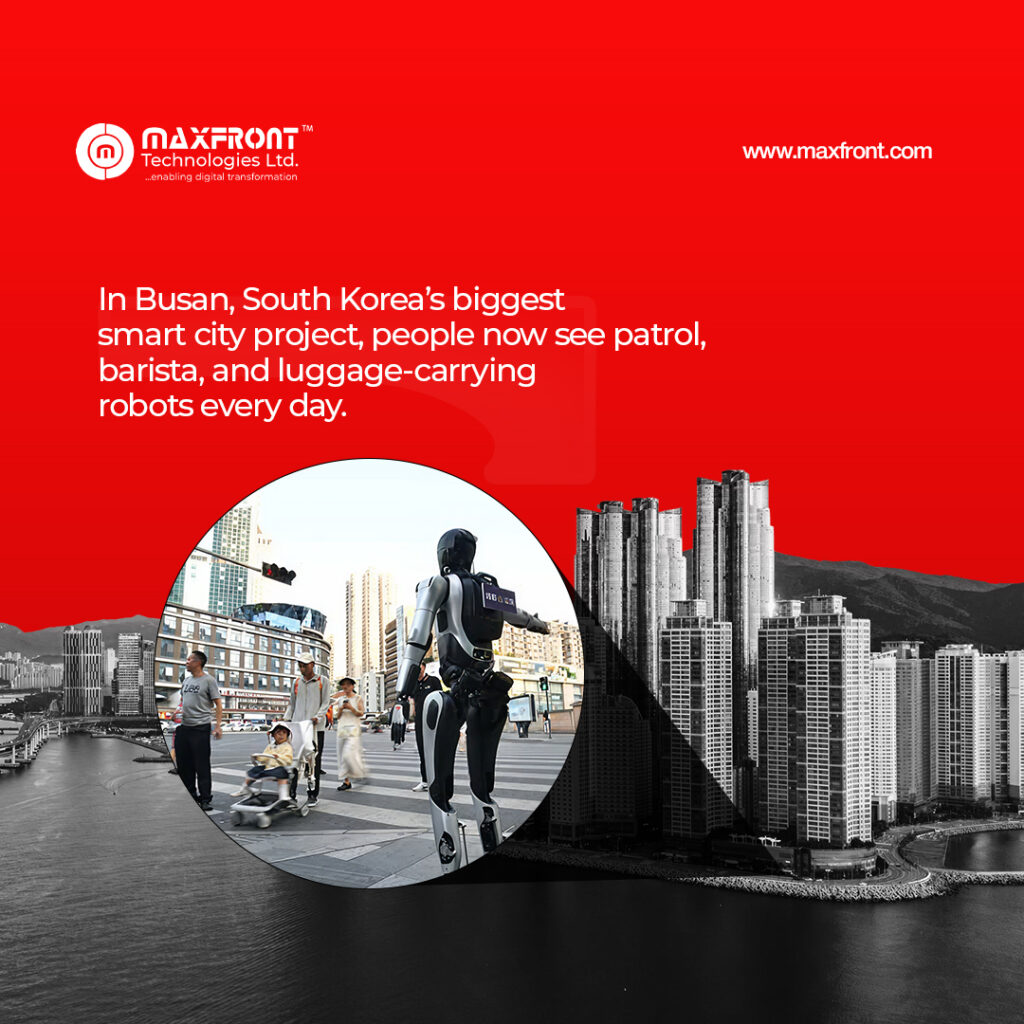
In Busan, South Korea’s biggest smart city project, people now see patrol, barista, and luggage-carrying robots every day. These robots all work together through a single control system, which allows for seamless communication and coordination among them to enhance their effectiveness in serving the community.
This setup helps meet important needs like safety, convenience, and a better quality of life.
The Challenge of Integration: How Silos Affect Smart Cities
Technology by itself does not make a city smart. Integration is key.
If transportation, energy, water, and public safety all work separately, several problems can come up:
– Redundant expenditure
– Lower adoption rates
– Prolonged timelines
– Reduced adaptability
The answer is to have unified leadership, teamwork across different areas, and systems that treat the city as one connected unit.
What Makes This Possible?
A few key technologies help smart cities grow and work well:
– Connectivity is now just as important as roads. Today’s cities need 5G, IoT networks, and AI platforms to function.
– Edge AI platforms let cities analyse data and make decisions right away, without always sending information to the cloud. Public-private partnerships offer sustainable funding. New financing models, outcome-based contracts, and innovation funds distribute risk and accelerate deployment, helping ensure that technological advancements in urban environments prioritise residents’ needs and well-being.
The Human Perspective: Cities Exist for People
In the midst of technological advancements, it’s crucial to remember that cities exist to serve people.
Every innovation—digital twins (virtual replicas of physical systems), physical AI (artificial intelligence that interacts with the physical world), and robotics (machines capable of carrying out a series of actions automatically)—must serve human needs: accessibility, safety, equity, and quality of life. The most successful smart cities are those where citizens become active participants, not passive consumers.
How Maxfront Helps
At Maxfront, we help enterprises and public sector organisations navigate the complexity of smart cities.
We start with the integration strategy. Before deploying technology, we assess fragmentation and design governance that breaks down silos.
We architect for scalability. Smart city projects start small but grow over decades. We design systems, data platforms, and connectivity infrastructure that scale gracefully.
We bridge the public and private sectors. Maxfront structures partnerships, aligns incentives, and designs operating models that make public-private cooperation sustainable.
We embed human-centred design. We work with clients to put citizens’ needs first, making sure investments lead to real improvements in quality of life.
We focus on what matters most. We track things like operational efficiency, environmental impact, and citizen satisfaction. If something isn’t working, we adjust our approach.
What it all comes down to
Building the cities of the future takes time. They will grow through careful investment, thoughtful planning, and ongoing learning.
Enterprise technology is now essential for urban development. It serves as the foundation for sustainable, liveable, and resilient cities. At Maxfront, we build the foundations that make smart cities possible.
Are you prepared to contribute to shaping the future of urban development? Get in touch with us at info@maxfront.com.